Precision craftsmanship can transform an everyday timepiece into an elegant expression of individuality. Carefully selected components, balanced proportions, and refined finishing work together to create watches that capture attention while offering a polished and enjoyable wearing experience.
Refined Craftsmanship Creates Lasting Beauty
Attention to detail plays an important role in creating an attractive customized watch. Each element can be thoughtfully selected and assembled to produce a harmonious appearance that feels sophisticated, balanced, and distinctive.
- Carefully finished surfaces create a refined appearance.
- Precise component fitting supports visual consistency.
- Balanced proportions enhance overall elegance.
- Detailed construction adds a premium impression.
- Thoughtful assembly creates a cohesive finish.
Distinctive Designs Showcase Creativity
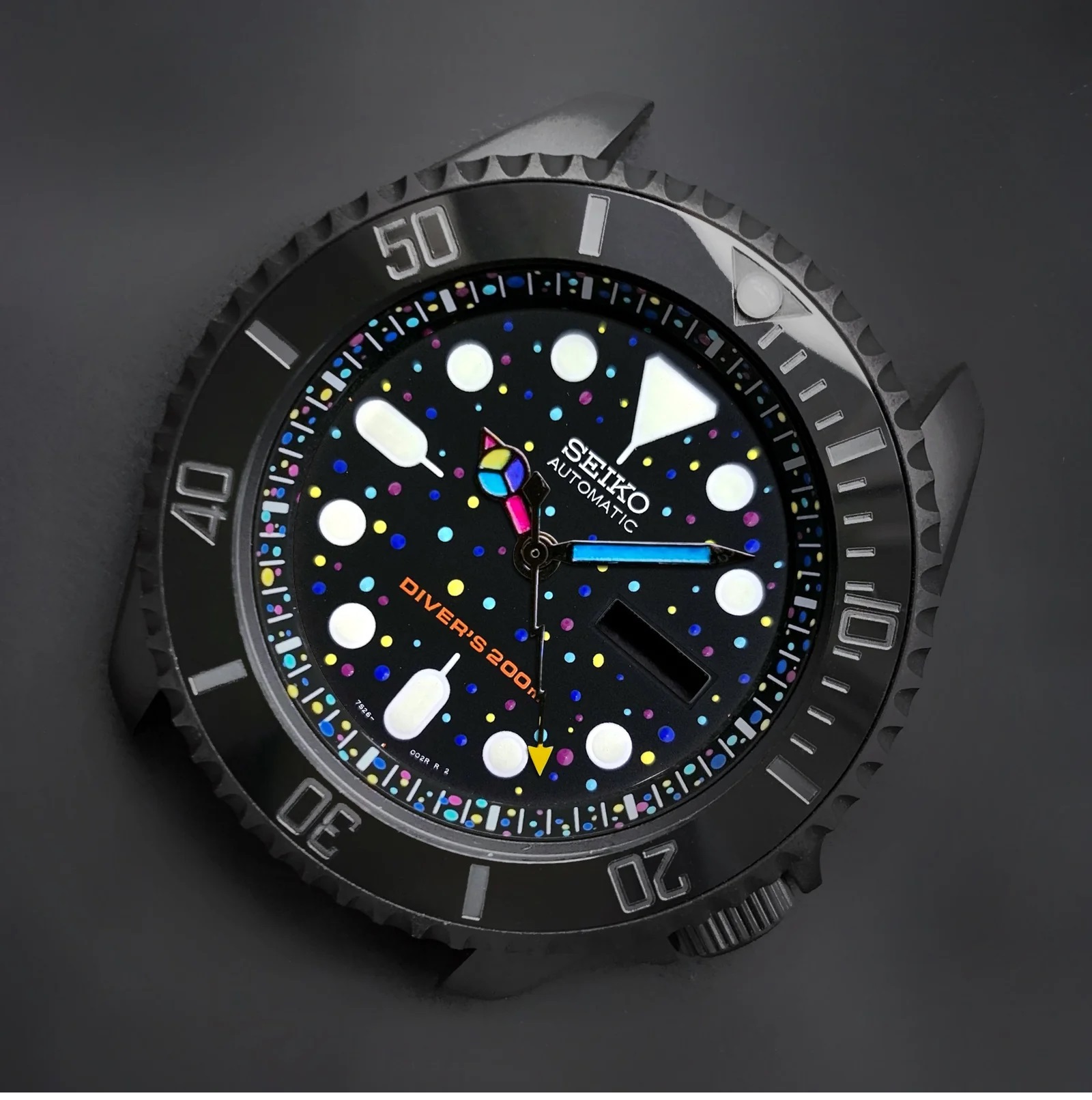
Customization provides an opportunity to explore creative combinations while maintaining an elegant appearance. From dial details to case finishes, every choice can contribute to a watch that reflects personal taste and imagination.
- Select distinctive dial designs for added character.
- Explore different hand styles for visual variety.
- Choose attractive case finishes to complement the design.
- Combine complementary details for a balanced presentation.
- Create an individual look through thoughtful customization.
Exceptional Dials Capture Attention
The dial is often the first feature people notice, making its design especially important. Clear markers, attractive textures, and carefully coordinated details can create an impressive focal point that remains visually engaging.
- Elegant markers improve readability and style.
- Balanced layouts create a clean presentation.
- Fine textures add depth and visual interest.
- Carefully matched colors enhance harmony.
- Distinctive details give the dial memorable character.
Comfortable Construction Supports Everyday Wear
Outstanding visual appeal becomes even more valuable when paired with comfortable construction. A thoughtfully designed watch can sit naturally on the wrist while maintaining its attractive appearance throughout regular use.
- Comfortable proportions support pleasant daily wear.
- Smooth finishing contributes to a refined feel.
- Well-selected straps complement the overall design.
- Balanced construction encourages effortless styling.
- Practical details enhance everyday satisfaction.
Versatility Enhances Personal Style
A precision-crafted watch can complement many different looks without losing its distinctive identity. Its adaptable character makes it a valuable accessory for casual outfits, polished clothing, and special occasions alike.
- Pair elegant designs with professional attire.
- Add personality to relaxed everyday outfits.
- Choose versatile finishes for flexible styling.
- Coordinate watch details with personal accessories.
- Enjoy a polished appearance across different occasions.
Fine Details Make Every Timepiece Special
Small design elements can create a significant difference in the final presentation. Careful attention to hands, markers, bezels, straps, and finishing allows every component to contribute naturally to the complete visual experience.
- Refined hands enhance the dial’s character.
- Detailed bezels create additional visual dimension.
- Coordinated straps complete the overall presentation.
- Clean edges provide a sophisticated impression.
- Consistent finishing highlights quality craftsmanship.
Precision Inspires Confidence
A carefully crafted timepiece offers more than attractive styling. Its combination of thoughtful design, precise construction, and personal expression creates an accessory that can inspire confidence every time it is worn.
- Quality-focused construction encourages appreciation.
- Distinctive styling supports individual expression.
- Precise details create a premium visual impression.
- Custom elements make the design feel meaningful.
- Reliable craftsmanship adds everyday enjoyment.
A Beautiful Expression Of Individuality
A seiko mod brings together precision, creativity, comfort, and refined design in one distinctive accessory. With careful craftsmanship and thoughtfully chosen details, it can deliver outstanding visual appeal while becoming a memorable part of everyday personal style.