
Online spending systems today are shaped by how people actually behave on the internet. Users move quickly, switch between tasks, and expect payments to work without slowing them down. Long instructions, repeated confirmations, and unnecessary waiting feel frustrating in this environment. This change in expectation explains why systems associated with kripicard came into focus during a time when users started valuing usability over complicated processes.
Fast usability is not about doing less. It is about doing what matters in the simplest possible way.
Why users expect payments to feel effortless
Most online payments happen in short moments. A person might renew a subscription while working, pay for a service late at night, or complete a purchase during a brief break. In these moments, attention is limited.
When a payment system demands too much effort, users lose interest. Effortless systems respect the user’s time. They allow people to complete payments without stopping to think or adjust their routine. Over time, users naturally return to platforms where the experience feels smooth.
Clear flow shaping modern payment design
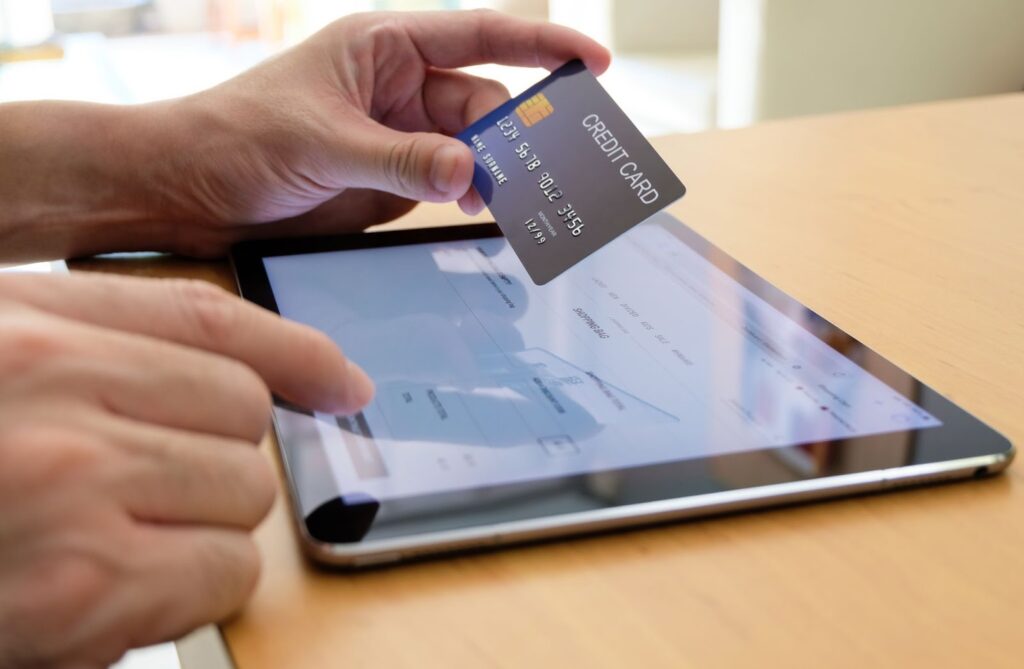
Usability depends heavily on flow. A clear flow means each step feels obvious and predictable. Users should never wonder what comes next or whether they made a mistake.
Modern online spending systems focus on reducing confusion. They aim to guide users gently from start to finish without pressure. When the flow feels natural, users trust the system more and feel comfortable repeating the process in the future.
Speed supporting everyday online decisions
Speed has become part of usability. Online decisions are often made quickly. When a user decides to spend, they want to act immediately. Delays break momentum and create doubt.
Systems designed for fast usability support instant action. They reduce waiting and keep users engaged. This does not mean rushing users. It means removing unnecessary pauses that serve no purpose in a digital environment.
Reducing mental effort during payments
Mental effort plays a major role in how users perceive usability. Complex steps, unclear messages, or too many options increase mental load. Over time, this leads to fatigue.
Well designed spending systems keep mental effort low. Actions feel intuitive. Users do not need to read instructions carefully or worry about making errors. This simplicity makes payments feel lighter and less stressful.
Consistency building long term comfort
Consistency is essential for usability. Users may access online spending systems from different devices or at different times. When the experience changes unexpectedly, trust drops.
Consistent behavior builds comfort. When users know what to expect every time, payments become routine. This routine removes anxiety and strengthens long term reliance on the system.
Online spending systems designed for fast usability align with how people live online today. They support natural behavior instead of forcing adjustment. In the future, the most trusted payment experiences will be those that work quietly, smoothly, and without demanding attention from the user.