
Creating a safe and comfortable indoor environment begins with protecting buildings from unwanted vapor movement. Vapor control solutions play an important role in maintaining indoor air quality, supporting structural durability, and improving long-term property performance. By combining effective prevention methods with consistent monitoring, property owners can establish healthier spaces while strengthening building safety. A comprehensive approach also supports efficient maintenance and encourages confidence in the overall condition of residential, commercial, and industrial structures.
Understanding the Importance of Vapor Control
Vapor intrusion management focuses on identifying and controlling unwanted soil gases before they enter occupied indoor spaces. Effective planning helps buildings maintain healthier environments while supporting dependable construction standards.
Several important benefits include:
- Improved indoor air quality: Proper vapor barriers and ventilation systems help reduce the movement of unwanted gases into indoor environments.
- Enhanced occupant comfort: Consistent air quality supports comfortable spaces for employees, residents, visitors, and other building occupants.
- Long-term structural protection: Appropriate moisture and vapor management helps preserve essential building materials.
- Preventive maintenance: Early identification of potential concerns encourages timely improvements and efficient property management.
Implementing Comprehensive Protection Strategies
Successful vapor management combines suitable materials, thoughtful engineering, and carefully planned installation practices. Each building benefits from solutions that reflect its construction characteristics and environmental conditions.
Useful approaches include:
- Advanced vapor barriers: Durable barrier materials help prevent unwanted vapor movement through floors, foundations, and other structural openings.
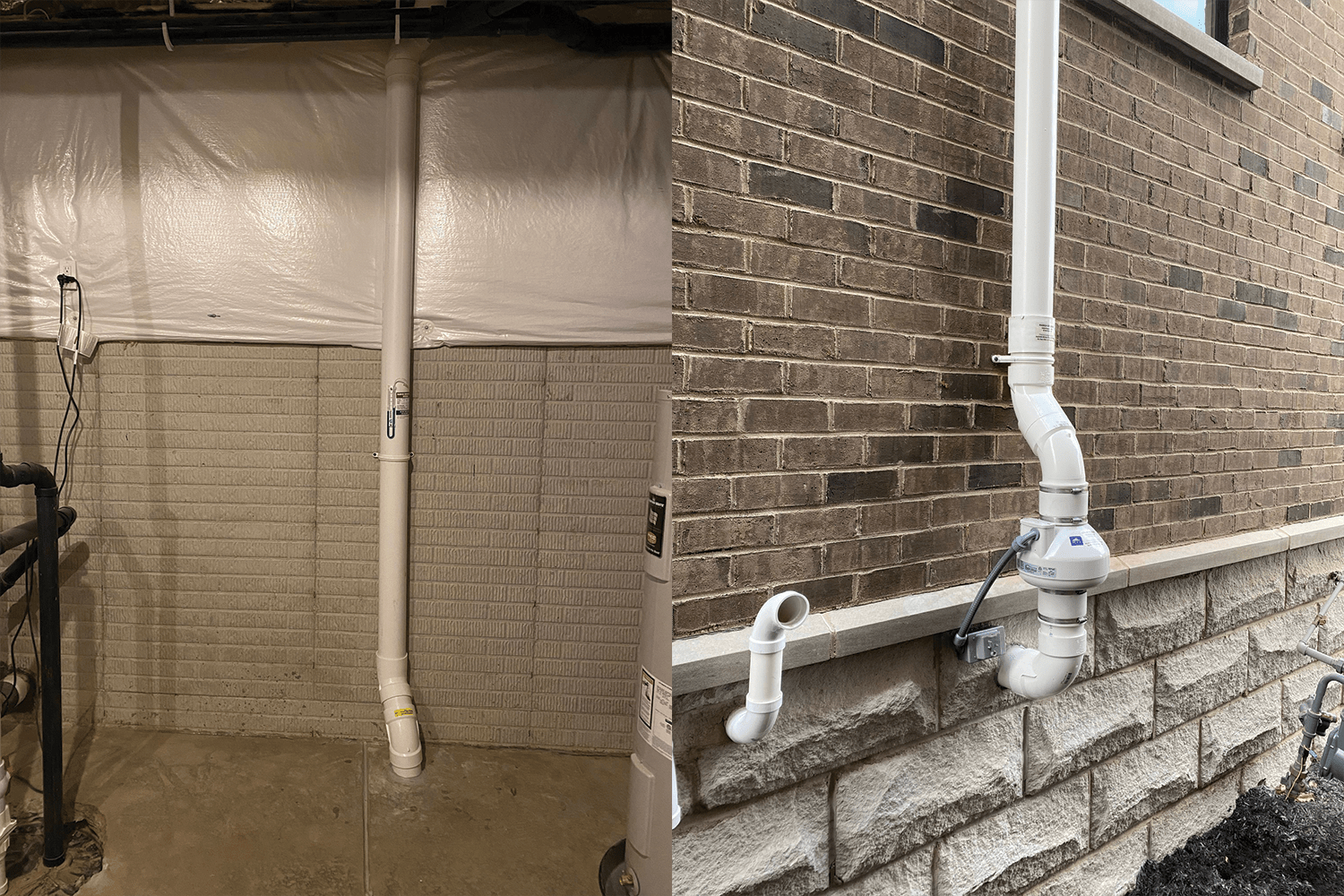
- Sub-slab depressurization: Properly designed systems help collect and redirect soil gases away from occupied building areas.
- Sealing structural openings: Closing gaps around utility connections, joints, and foundation penetrations strengthens protective boundaries.
- Mechanical ventilation: Appropriate airflow management supports healthier indoor conditions and consistent environmental performance.
- Regular inspections: Scheduled evaluations help confirm that installed protection systems continue operating effectively.
Supporting Better Building Performance Through Monitoring
Continuous attention helps maintain the effectiveness of vapor control measures throughout a building’s operational life. Monitoring also provides useful information for future improvements and maintenance decisions.
Property managers can strengthen their approach through several practical actions:
- Conduct periodic indoor air assessments to understand environmental conditions.
- Review ventilation performance and confirm that equipment operates properly.
- Examine barriers and seals for signs of deterioration or damage.
- Maintain clear inspection records to support informed maintenance planning.
- Update protective measures whenever building conditions or usage requirements change.
Access to reliable educational resources can also help property owners understand available technologies, installation practices, and maintenance recommendations. Taking time to visit website resources that explain vapor management can encourage informed decisions and better preparation for upcoming building improvements.
Building Confidence With Long-Term Vapor Management
Comprehensive vapor control solutions contribute to safer, healthier, and more dependable indoor environments. Combining preventive planning, quality materials, professional installation, and routine monitoring creates a practical foundation for lasting protection. These measures also support responsible property management by reducing avoidable concerns and encouraging consistent building performance. With continued attention to maintenance and evolving protection methods, property owners can preserve structural value, improve occupant comfort, and strengthen confidence in their indoor environments for years to come.