
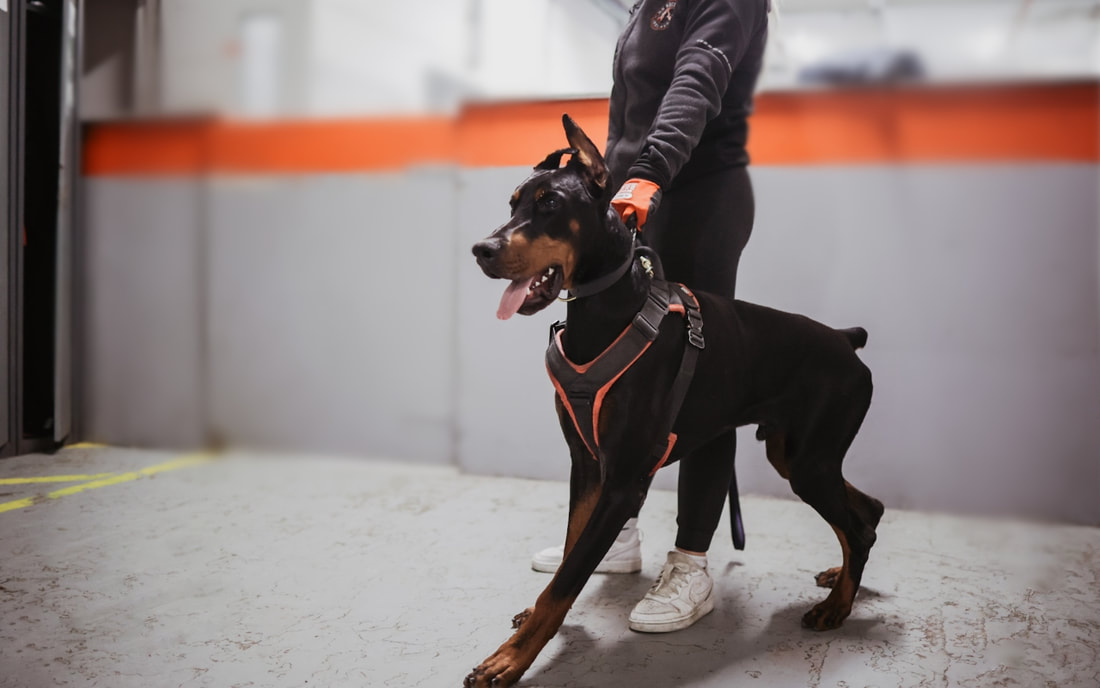
Responsible ownership plays an important role in raising confident, affectionate, and well-behaved family protection dogs. These dogs can offer companionship, loyalty, and a reassuring presence when they receive proper care and consistent guidance. Their development depends on more than natural protective instincts. Daily routines, positive training, social experiences, and healthy relationships help them become dependable members of the household. Owners who understand their responsibilities can create an environment where dogs feel comfortable, respected, and confident while interacting with family members and visitors.
Building Good Behaviour Through Responsible Care
A well-behaved dog develops through patience, encouragement, and regular attention. Owners should establish clear expectations and provide opportunities for positive learning throughout different stages of development.
Important ownership responsibilities include:
- Consistent Training: Practising basic commands regularly helps dogs understand expectations and respond appropriately to everyday situations.
- Positive Reinforcement: Rewarding calm behaviour, cooperation, and attentiveness encourages dogs to repeat desirable actions.
- Daily Exercise: Walks, playtime, and suitable physical activities support healthy energy levels and emotional balance.
- Mental Stimulation: Interactive toys, scent games, and simple learning activities keep dogs mentally engaged.
- Routine Establishment: Consistent feeding, resting, grooming, and training schedules create stability and comfort.
These practices encourage healthy habits while strengthening communication between dogs and their owners.
Encouraging Positive Social Experiences
Socialisation helps family protection dogs become comfortable around different people, environments, sounds, and everyday activities. Responsible owners should introduce new experiences gradually while observing their dog’s comfort levels.
Helpful socialisation practices include:
- Introducing familiar visitors through calm and controlled interactions.
- Teaching dogs to remain relaxed when household activities become busy.
- Encouraging polite behaviour around children under responsible adult supervision.
- Providing positive experiences with appropriate, friendly animals.
- Practising calm greetings instead of encouraging excessive excitement.
- Allowing sufficient time for dogs to adjust to unfamiliar situations.
Professional guidance can also help owners understand individual temperaments and develop suitable socialisation approaches.
Prioritising Safety, Health, and Emotional Well-Being
Good ownership involves understanding that physical health and emotional comfort influence behaviour. Regular attention to a dog’s needs supports a balanced lifestyle and encourages positive relationships.
Owners can strengthen everyday care through these habits:
- Schedule routine veterinary check-ups and maintain recommended preventive care.
- Provide nutritious meals and fresh drinking water throughout the day.
- Maintain comfortable sleeping spaces and suitable resting periods.
- Monitor changes in behaviour, appetite, and activity levels.
- Keep grooming sessions comfortable and consistent.
- Use secure equipment and responsible supervision during outdoor activities.
When owners understand their responsibilities, they can make informed decisions and explore useful guidance to learn more about responsible protection dog ownership.
Creating Lifelong Trust and Dependable Companionship
Trust develops when dogs experience kindness, consistency, and clear communication. Owners should continue reinforcing positive habits throughout adulthood rather than treating training as a temporary activity. Regular interaction, affection, and appropriate boundaries help maintain a healthy relationship.
Responsible ownership ultimately shapes family protection dogs into confident companions with balanced behaviour. By combining thoughtful training, proper healthcare, positive socialisation, and everyday attention, families can encourage loyalty while maintaining a welcoming household environment.